The Shoulder Seasons Can Be Tough on Gardens
Hello gardeners!
Gardeners tend to think about environmental stress in terms of summer drought or winter cold, but some of the most disruptive weather events for the garden now occur during what are known as the shoulder season. This is the transitional periods between winter and spring, or summer and fall. In the past the seasons seemed to slide gently into the next. Today they are increasingly volatile, bringing sudden swings in temperature, moisture, and wind that can leave plants struggling to adapt. As I mentioned in this blog post the compounding of environmental stressors is often what causes the most failure for trees or plants.
In April 2023 a major ice storm struck parts of Ontario and Quebec. Freezing rain coated trees and power lines with thick layers of ice, causing widespread branch breakage and leaving more than a million people without electricity. What made this event particularly damaging was its timing. Early spring warmth had already encouraged many trees to begin budding. Tender new growth and leafing branches provided extra surface area for ice to accumulate, dramatically increasing the weight on limbs. In the middle of winter, many of these trees might have fared better. During the transition into spring, however, they were physiologically vulnerable.
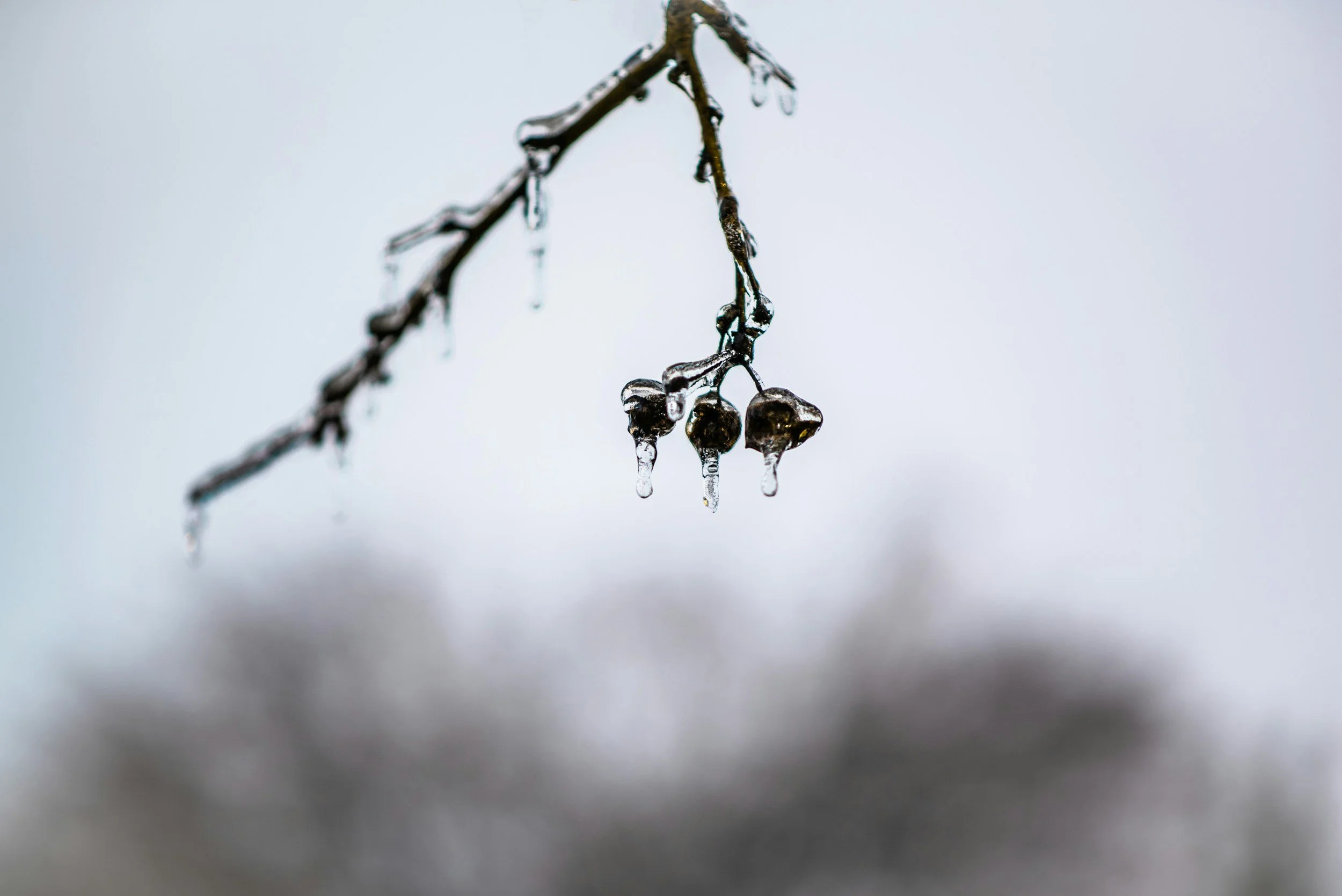
Photo Credit: Unsplash
Another dramatic reminder came in November 2021, when a series of atmospheric river events struck British Columbia. These powerful storms carried enormous volumes of moisture from the Pacific Ocean and released them as record-breaking rainfall across the province. Entire communities were flooded, highways were washed away, and agricultural lands were submerged. While atmospheric rivers are a natural weather pattern along the West Coast, climate scientists warn that warming temperatures allow the atmosphere to hold more moisture, increasing the intensity of these storms. For each 1°C of climate warming, the saturated air contains seven percent more water vapor on average (Source: ClimateSignals.org). Occurring during the fall transition toward winter, the heavier than normal rainfall arrived when soils were already saturated and landscapes were unprepared for such extremes. The natural drainage in the soil could not manage this volume of extra water.
Across the Canadian Prairies, shoulder-season wind events are also becoming more noticeable. In early spring, before vegetation has fully emerged, exposed soil can dry quickly and become vulnerable to erosion. In May 2023, powerful winds across Alberta and Saskatchewan produced dust storms severe enough to reduce visibility on highways. These storms formed at a time when snow had melted but plant cover had not yet stabilized the soil surface. Warmer springs and earlier snowmelt are increasing the likelihood of these dry, windy conditions.

Photo: iStock
Gardeners in western Canada have also experienced unusual autumn heat waves in recent years. Warm temperatures extending into October can delay the natural process of plant dormancy. Trees and perennials may continue growing later than they should, only to be damaged when temperatures suddenly drop. A similar thing happens in the spring when May temperatures rise higher than historical averages, sending messaging to plants to that growing season is ending (because temperatures are similar to late summer), the plant then "bolts" or begins setting seeds prematurely. Perhaps that is why my spinach always bolts before I have harvested it.
For gardeners, these shoulder-season events highlight an important reality: plants are often most vulnerable during periods of transition. Buds are forming, roots are adjusting to changing soil temperatures, and plants are shifting energy between growth and dormancy. Add strong winds, sudden freezing rain, or prolonged storms, and the stress multiplies.
Understanding these patterns helps explain why gardens may struggle even when summer conditions appear manageable. Increasingly, resilience in the garden means observing the conditions of the garden, and how a plant responds. The tricky part is that not all plants or shrubs fail immediately. Often it is next year when you begin wondering why a particular shrub is no longer flourishing. Pay attention to these shoulder seasons because often they are the culprits to damage in the garden.
Understanding climate resiliency in the garden is complex. The stress plants face during these periods of transition between seasons, is unlike what gardeners have historically had to deal with. Observation and journalling may be the keys to learning how the plants in your garden manage climate change.