Where Are My Spring Bulbs?
Hello gardeners!
This might be the spring I finally change how I plant bulbs.
Walking through the garden lately, I have had that familiar disappointing feeling again. The one where something should be there and just isn't. A single daffodil here, a few snowdrops. Where are drifts of bulbs I envisioned when I planted these bulbs?
Even the crocuses I planted in a grassy strip for a small spring meadow never showed up for the party.
For a long time, I have assumed this was just part of gardening. I share my bulbs with squirrels or other rodents. Some years better than others. Some losses expected.
But standing in the garden this spring, it feels clearer to me: this isn't random.
It is the wet.
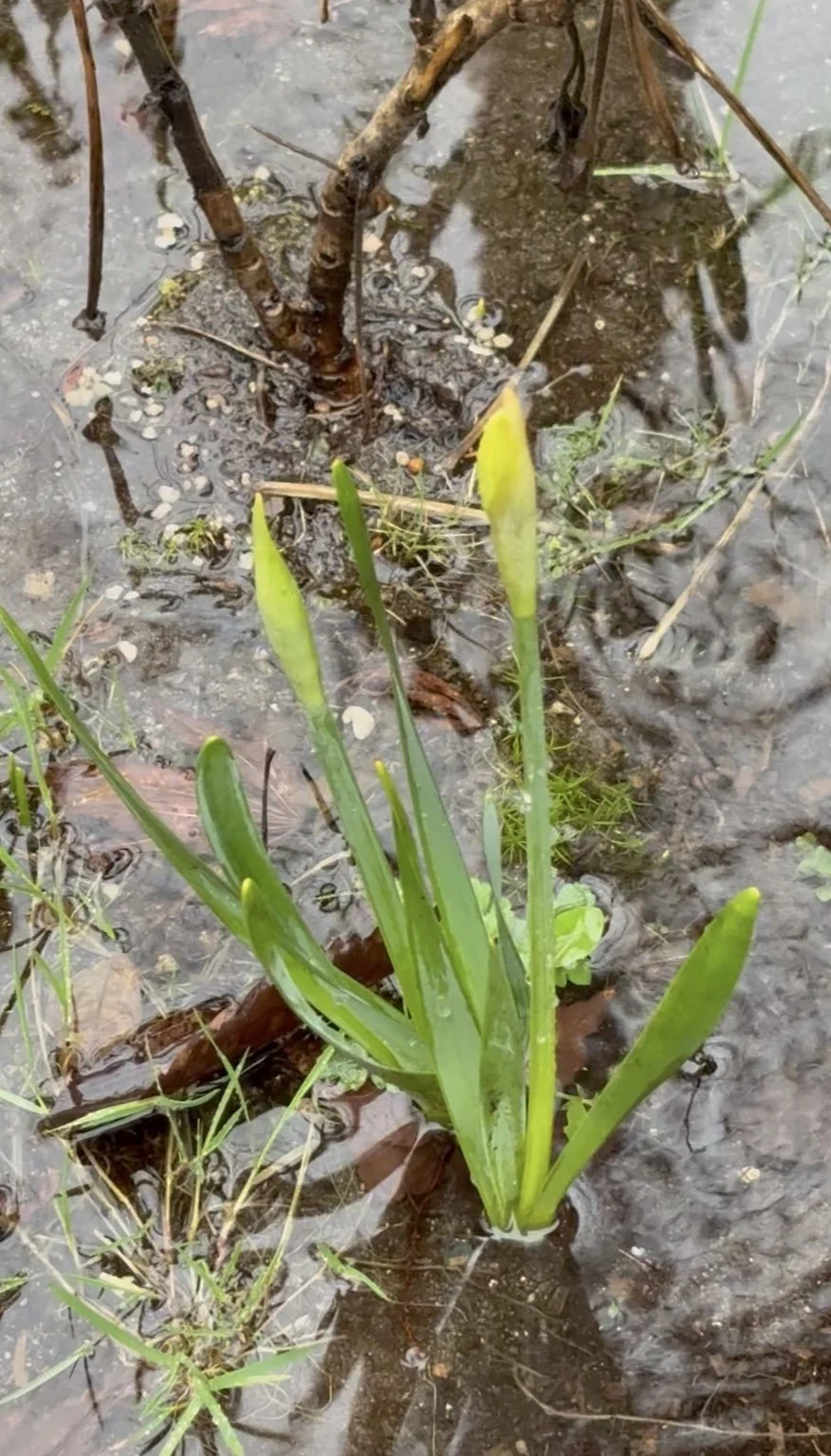
Photo Credit: R. Pak
Winter here is not just cold, it is saturated. The soil is soggy, and the air is damp. While this moisture works beautifully for many plants, it is not what spring bulbs are engineered for. Tulips, ranunculus, anemones, and so many others like these, are from climates where winters are far drier.
In my garden they sit in the cold, waterlogged soil. Oxygen disappears. Rot sets in and bulbs meant for a dry summer dormancy period are declining before the garden even dries up. What looks like dormancy is beginning to look like something else entirely.
And so, this year, I am not just noting the disappointment. I am planning a change.
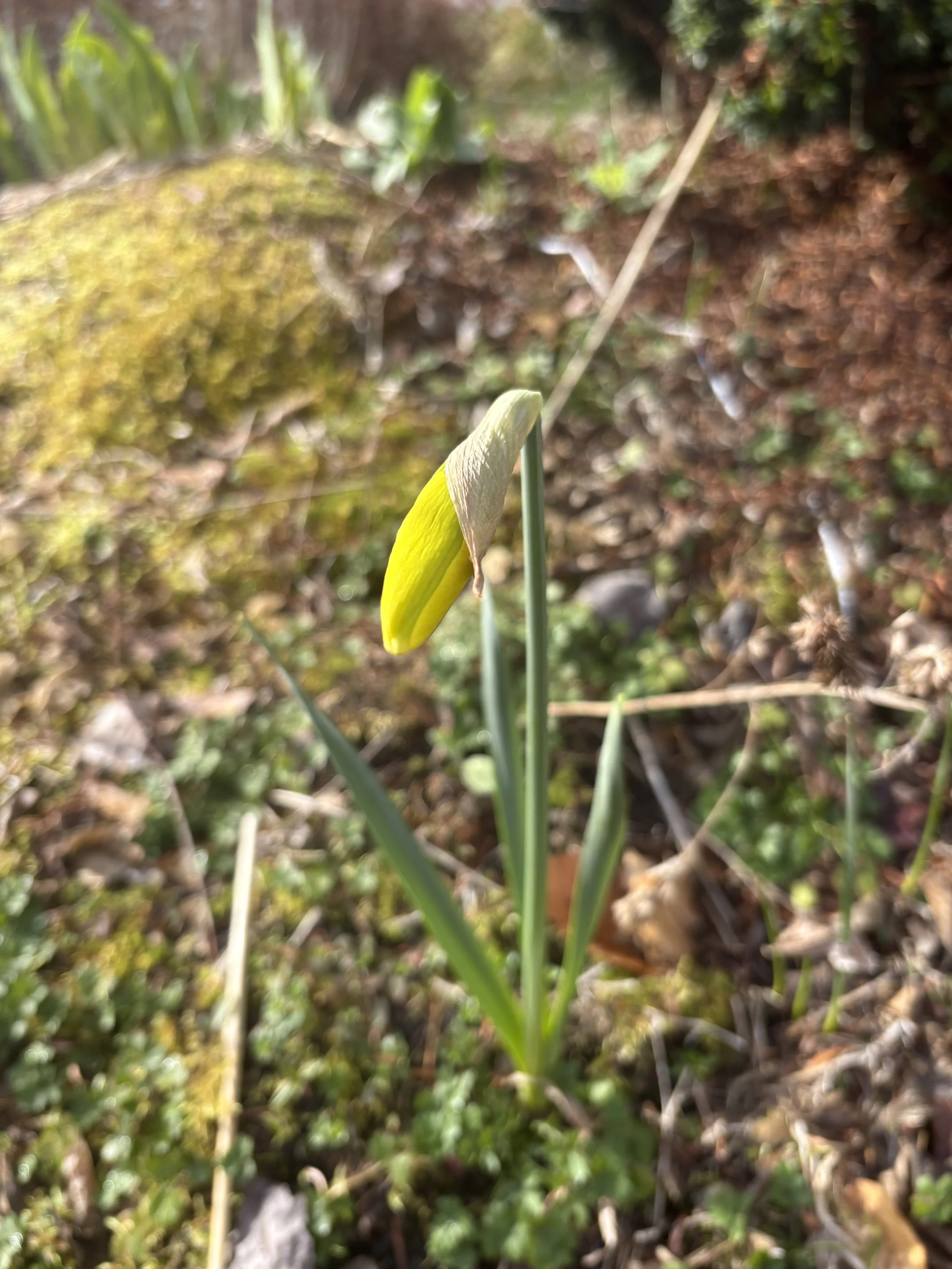
Photo Credit: R. Pak
This fall I am going to plant bulbs in containers instead of in the ground. Containers offer control over drainage, soil composition and placement. I will be able to see what is happening more clearly. Whether it is rot or animal disturbance. A fast-draining soil mixture should prevent the prolonged saturation bulbs planted in the ground deal with here. And contrary to what I previously assumed, containers may warm more quickly in the spring, encouraging earlier spring blooms and gardener satisfaction.
It feels less like a workaround now, and more like a response to where I garden.
The option to move containers full of colour creates an added layer to my garden. I can move something ready to bloom into the corner of sunshine. Or in front of a window where I can enjoy the view from a cozy spot in the house. Or the window above the kitchen sink. Containers allow for a bit more intention. Layering bulbs closely, creating more fullness, and placing them in desirable spots in the garden near entrances or along pathways. This strategy feels less about hoping the bulbs appear, and more about composing something that will bloom.
It also feels slightly more responsible.
Replacing failed bulbs year after year adds up. Materials, energy, transportation, effort. If a simple shift in how I plant them leads to better success, it is also a step toward reducing waste in the garden.
Maybe that is what this season is offering. Not just frustration with a "no-show" of daffodils, but information on how I can garden more effectively in our current climate. A nudge to notice what does not work, and to try something different.
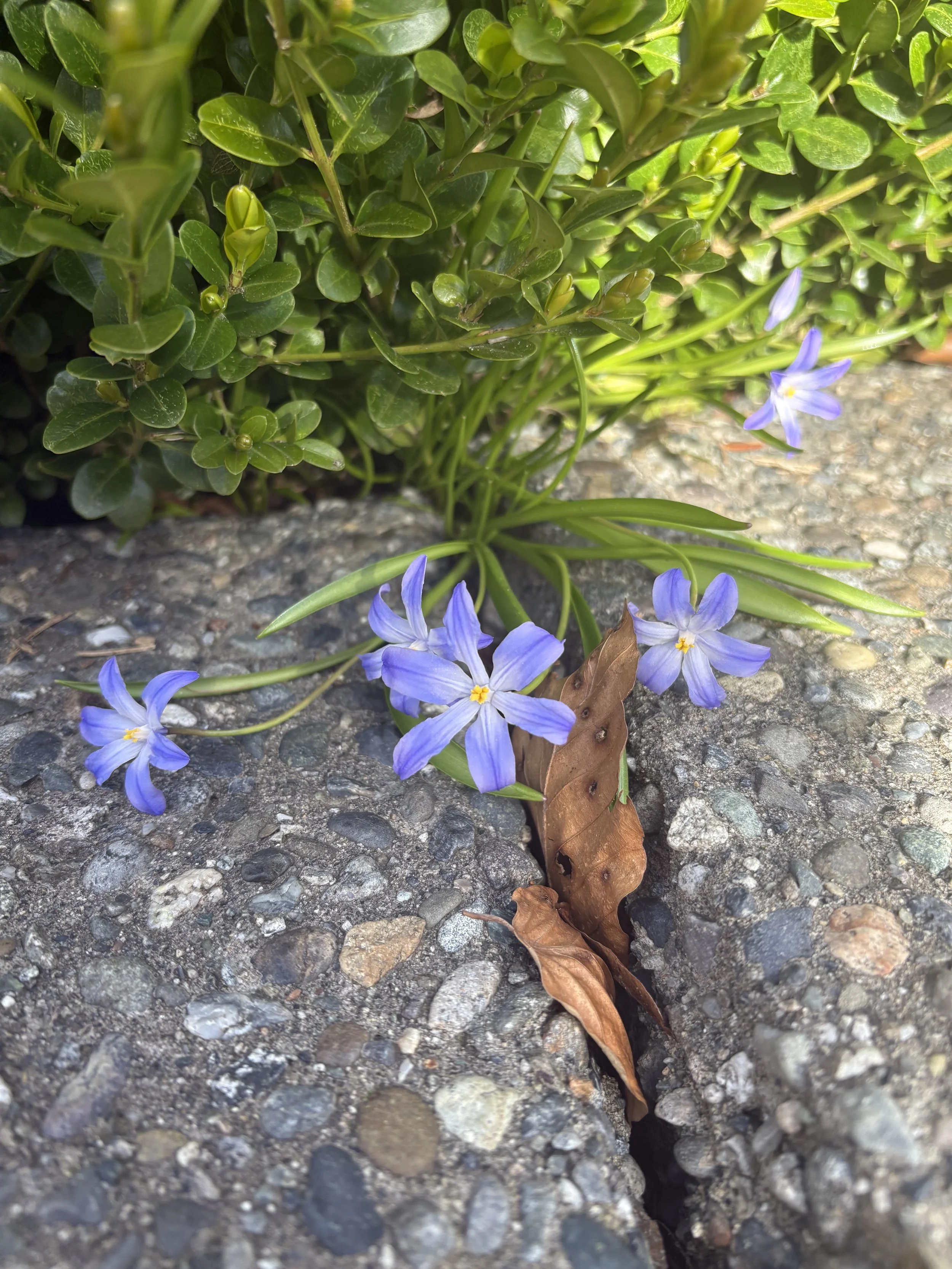
Photo Credit: R. Pak
If you are thinking of making the shift too
Here is my plan for what I will do differently this fall.
Build up my collection of containers (Preferably second-hand)
Ensure generous drainage holes
Plan to elevate the pots off the ground using pot feet or bricks
Use a fast-draining planting mix
Add sand or other grit to your favourite potting soil
Avoid heavy, moisture-retentive blends
Plant bulbs densely as close spacing works well in containers
Use the lasagna planting method to layer in lots of bulbs and prolong the display
Pick the location of the container wisely
Place pots where they will not be consistently saturated
Have a sheltered spot where you could move the pots to during a period of prolonged storms
Monitor drainage and ensure pots do not sit in standing water. Even parts of the garden can hold standing water if the soil is fully saturated so keep an eye on them.

Photo Credit: Jeff Topham
With this plan in place, I feel a certain sense of relief approaching. I can still enjoy bulbs and there will be less waste and less disappointment.
Maybe that is what this year's spring bulb showing is offering. Not just disappointment, but information. A reminder that gardening is not just about following formulas no longer suited to our new weather patterns. It is about trusting your garden observations. Sometimes that means changing the plan.
This fall, that is exactly what I intend to do.