Is Climate Change Making the Gardening Calendar Obsolete?
Hello gardeners!
For decades, many of us have relied on the calendar to guide our work:
Prune in March.
Plant annuals after the May long weekend.
Divide perennials in October.
Those rhythms worked because our seasons were relatively stable. Frost dates fell within predictable windows. Winter delivered sufficient cold. Spring advanced gradually.
But plants have never used calendars. They respond to environmental cues.
Over the past several years, weather patterns have become less predictable. Warmer winters, sudden cold snaps, prolonged rainfall, abrupt heat events. No two years unfold the same way. When the cues shift, plant responses shift with them.
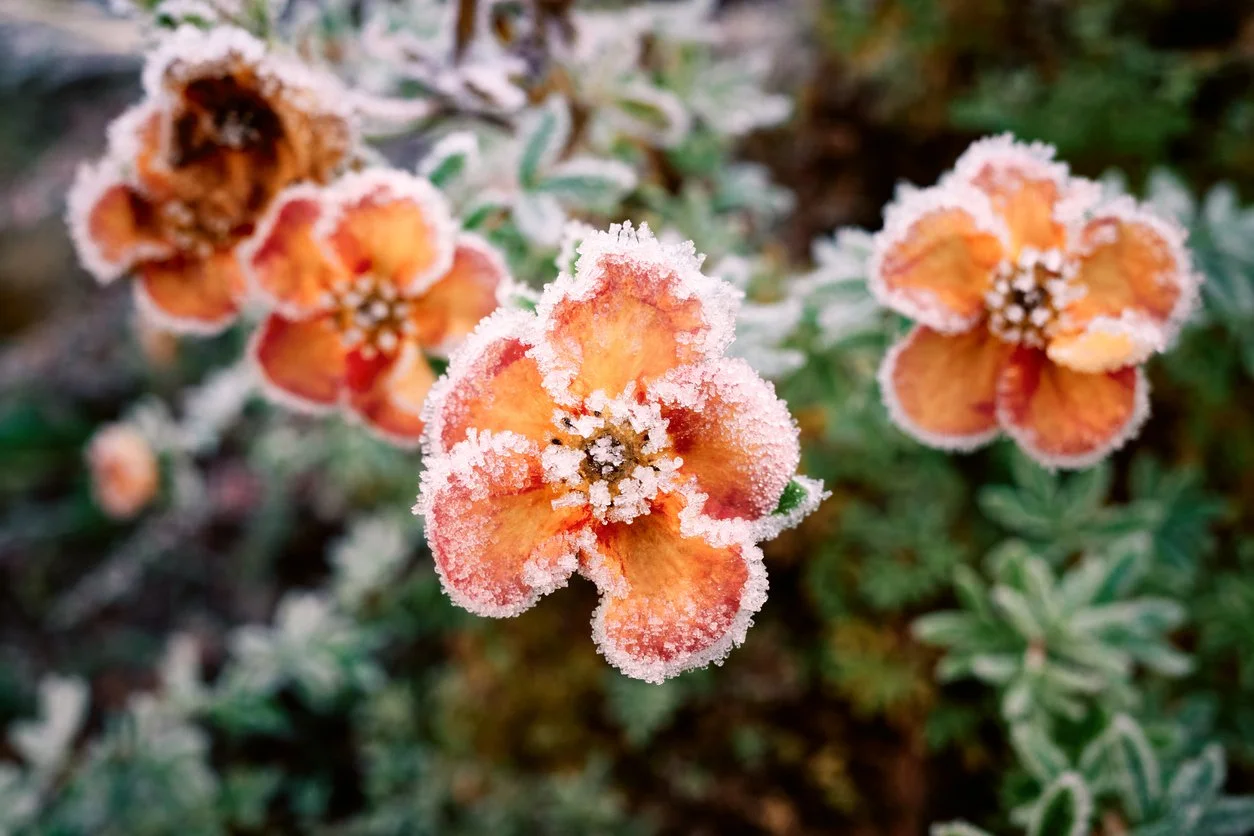
Photo: Sergei Dubrovskii / iStock
This is where phenology becomes essential
Phenology is the study of seasonal biological events: bud break, flowering, insect emergence, leaf drop. At its core, it asks:
What environmental thresholds signal plant growth?
Those thresholds include accumulated cold (chilling hours), accumulated warmth (growing degree days), soil temperature, moisture availability, and day length.
When winters are warmer than usual, some woody plants may not receive sufficient chilling to properly reset dormancy. The result can be uneven or delayed budbreak. Conversely, a warm stretch in late winter can prematurely deacclimate buds, reducing cold hardiness just before a frost event.
Then there is moisture.
If early warmth initiates growth and is followed by prolonged heavy rain, roots may sit in oxygen-poor soil. Actively growing tissues require oxygen for respiration. Saturated soils restrict gas exchange, slow root metabolism, and increase susceptibility to root pathogens. Early-season stress at the root level can compromise structural and physiological resilience later in the year.
Plants that enter peak growing season in the summer are already physiologically taxed and are less capable of tolerating subsequent extremes.
For gardeners, this has real implications.
When we fertilize according to a date rather than soil temperature, we may stimulate tender growth ahead of a freeze. When we prune during an unseasonal warm spell, we may expose deacclimated tissues to damage. When we plant based on habit rather than soil conditions, establishment may falter in cold, saturated ground.
Calendar-based gardening assumed stability.
Phenological gardening asks us to observe before acting.

Photo Credit: J. Topham
As regenerative gardeners, many of us are already cultivating this literacy by watching soil structure, noting insect emergence, observing bloom timing. Climate volatility simply requires that we deepen this attentiveness.
Instead of asking whether it is “time,” we might ask:
What is the soil temperature at planting depth?
Have we accumulated consistent daytime warmth?
Are regional indicator plants beginning to bloom?
Is the soil draining adequately to support root respiration?
This is not a rejection of traditional knowledge. It is an evolution of it.
Supporting Phenological Resilience in the Garden
Monitor both air and soil temperature before sowing, transplanting, or fertilizing
Learn regional indicator plants. (Forsythia bloom, for example, often aligns with soil temperatures suitable for certain cool-season crops)
Build soil organic matter to improve both drainage during heavy rainfall and moisture retention during drought.
Design layered plantings that create microclimates and moderate temperature extremes
Incorporate species with overlapping bloom windows to buffer against frost damage or timing shifts
Staggered bloom times provide ecological insurance. If one species flowers early and is damaged, another may fill the gap. Structural diversity reduces exposure to both frost and heat. Healthy soils improve oxygen exchange, infiltration, and resilience under stress.
Climate resilience is not simply about choosing native or drought-tolerant plants. It is about understanding timing and how plants respond to changing environmental cues. Current weather events are unlike historical patterns so we need to adjust the framework we use to determine what is needed in the garden.
Perhaps the first step is simple: Pause. Observe. Measure.
Then act. Or not. Sometimes there is nothing we can do.