Why Moving Houseplants Outside in Summer Builds Stronger Plants
Hello gardeners!
One of the best things you can do for a houseplant doesn’t come in a bottle. It comes from opening a door.
When conditions allow, moving houseplants outdoors for the summer resets them in ways indoor care never fully can. This is especially true for plants grown slowly, without heavy synthetic feeding.
Outdoor light changes everything
Even bright windows provide only a fraction of outdoor light quality. Outdoors, even in shade, plants receive a broader light spectra that improves photosynthesis, leaf thickness, and overall vigor. This gives the plant growing time in real light with all the real clues nature provides.
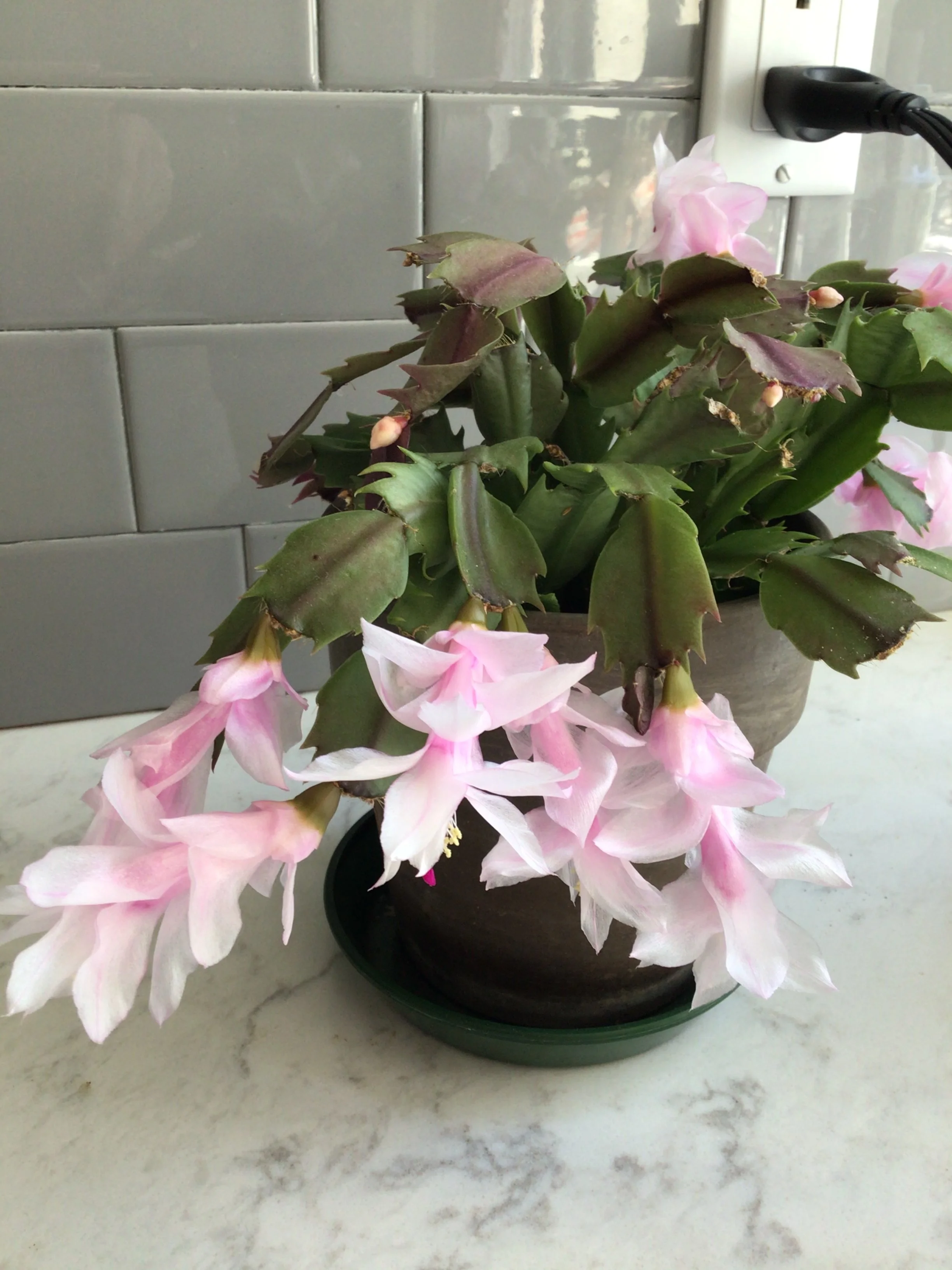
Photo: R. Pak
This plant was a gift that spent the summer outside. Note the burn marks. Yikes! It still bloomed heavily over the winter with no inputs.
Natural temperature shifts strengthen plants
Indoors, temperatures are stable and flat. Outdoors, plants experience day–night variations, which improve metabolic efficiency and strengthen tissues. These subtle stressors teach plants how to regulate themselves.
Rainwater does essential housekeeping
Rain naturally flushes accumulated salts from potting mixes. This alone can dramatically improve plant health after a long indoor season. It also delivers water in a way plants have naturally evolved to receive.
Plants reconnect with living systems
Outdoor air, dust, moisture, and microbial life reintroduce complexity. Even in pots, plants benefit from exposure to fungi, bacteria, and natural rhythms.
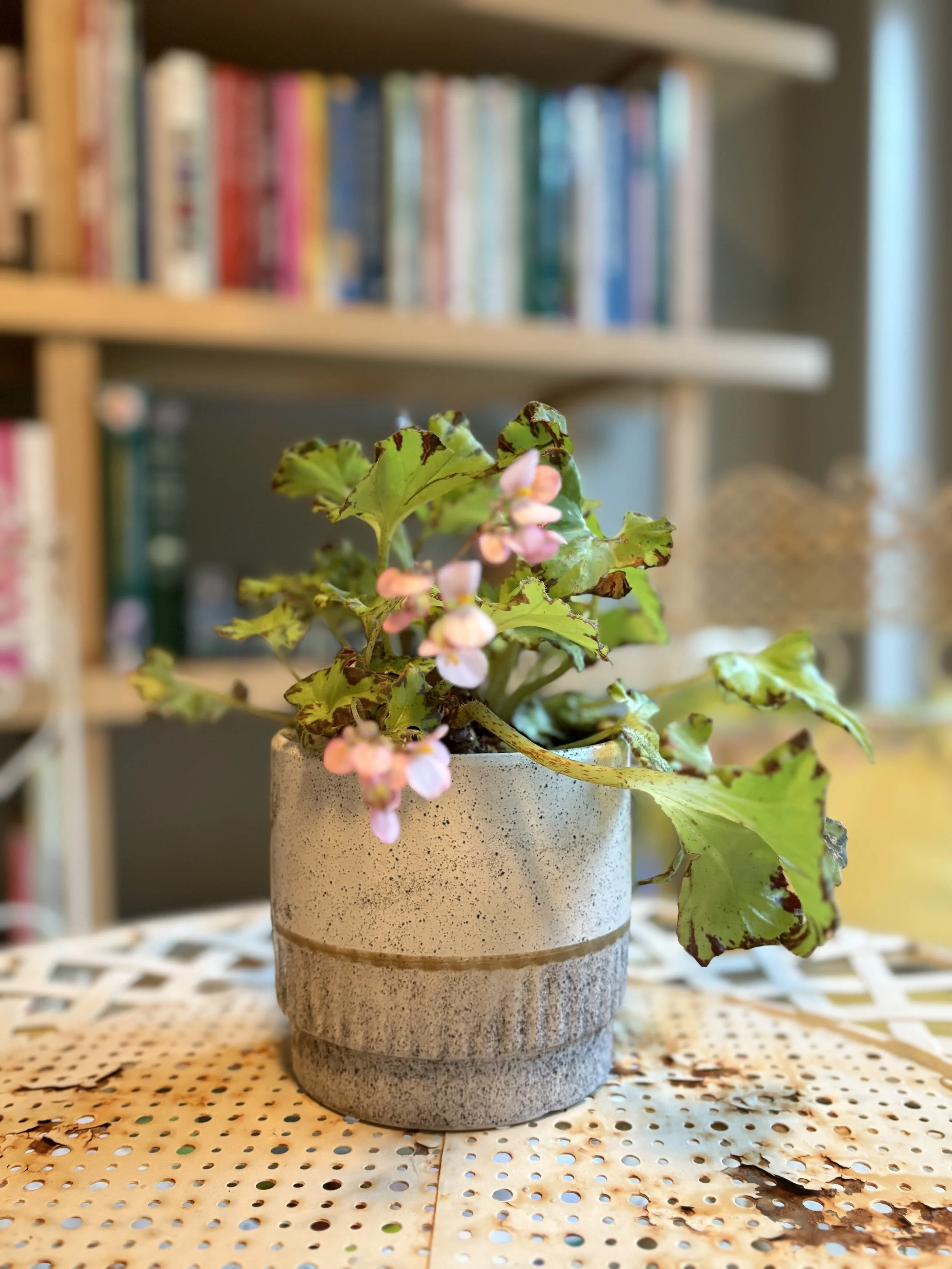
Photo Credit: R. Pak
Stronger plants return indoors better
Plants that spend time outdoors typically come back inside:
Sturdier
More pest-resistant
Better able to tolerate lower winter light
From my experience, indoor plants that spend the summer months outside usually double in size.
A simple checklist: 5 reasons to move houseplants outside in summer
Better light quality than any window
Natural temperature variations builds improved resilience
Rainwater flushes salt or chemical buildup
Exposure to beneficial microbes
Stronger tissues and root systems
Always acclimate gradually: start in shade, protect from wind, and increase exposure slowly. This is hard so don't get frustrated. The plant will recover fast outside anyway.
A systems-based approach to houseplants
When we combine gentle inputs indoors with seasonal outdoor time, we stop managing symptoms and start supporting systems. Plants become less dependent on us and more capable on their own.
That’s the kind of growth I’m interested in cultivating for my indoor garden.