Observation: The Secret Gardening Skill for Gardens that Thrive
Hello gardeners!
If there is one skill, I believe gardeners need to develop over the coming years, it isn't pruning, planting or selecting plants. It is observation.
Gardeners like action. We prune. We water pots. We move plants around. But what if the most important thing we could do is simply pause and pay attention.
Many of you likely already do something like this when you take a morning stroll around the garden with your coffee, assessing how the plants are doing. Try recording some notes on the various areas. Not necessarily every morning, but when you notice a change or an event.
Gardening by Observation, Not by the Calendar
As our climate continues to change, so do the growing conditions in our gardens. We are experiencing longer dry spells, heat domes, intense periods of rain, smoky summers and in many communities, watering restrictions. Gardening by the calendar is becoming less reliable. Instead, we need to learn to garden by observation. What is our garden telling us?
Why Observation Matters in a Climate Resilient Garden
Every garden is unique.
The advice you read in books, on gardening websites or even on a plant tag is based on general growing conditions. Your garden has its own microclimates, soil conditions including moisture levels and drainage, and wind exposure. The gardener who learns to observe, begins making decisions based on what happens in their own landscape rather than a fixed set of rules. Books and tags can say a certain plant is suitable for your situation, but until you try growing it, or try growing a couple plants in different spots, to see where the plant will flourish in your garden, you don't really know. You are just buying plants and hoping for the best. I think that is why I feel like I have lost so many plants. I buy something that catches my eye, plunk it in the garden where I have space available, and forget about it. Then I see it somewhere else and think, "Wait didn't I plant one of those?".
An example of a recent observation from my own garden, relates to a mature dogwood in my garden. This year it is glorious and the blooms are lasting forever. When did it first start blooming this year? I wish I had noted that. Because now I am curious why the heavy blooms this year. Is it the weather conditions or the water restrictions? I wonder if there is any connection? My guess, less rain and wind but I am also wondering if less water has somehow contributed. Without paying attention, I might simply have thought, "What a beautiful tree. Look at all the blooms." Instead, I find myself asking, "What conditions created this?" That is observation at work, from a gardening perspective.
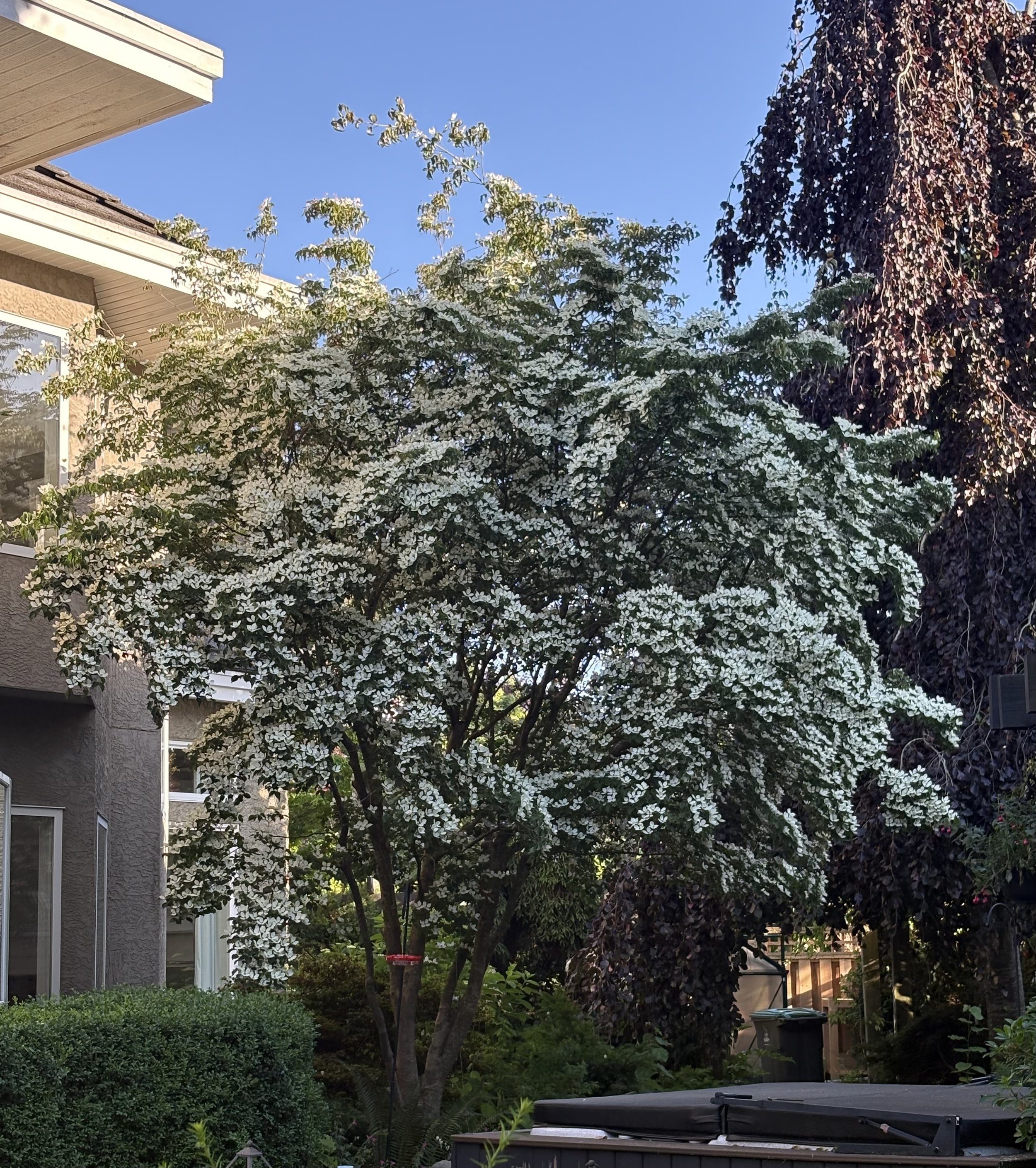
Photo Credit: R. Pak
Observation is not simply looking. It is looking with intention.
See if you can join the dots. Is a single plant drawing the attention of the butterfly that visits the garden every day at lunchtime or is it always in a specific area? This could mean nothing or it could turn out to mean something important to the biodiversity in your garden. You don't know until after the fact when you see a pattern emerge from the notes you kept.
Observation is a gardening skill.
Just like learning to prune.
Just like learning how to water effectively.
Just like learning to propagate.
It can be learned.
Botanical Gardens and researchers have been doing exactly this for decades. Long-term observations of flowering times, leaf emergence and seasonal changes have become an important source of information for understanding how plants respond to changing weather patterns and climate. Home gardeners can benefit from adopting the same mindset, even if it is simply keeping a notebook or recording a few observations each season.
How do you start?
Just make simple observations. Jot down or record on your phone the date you first saw snowdrops popping up or blooming.
When did the first hummingbird visit
When did you start seeing adult European Chafer beetles
When did the Dogwoods start blooming
First powdery mildew
When did water restrictions take effect
Which perennial(s) struggled this season (hello, dried up astilbe I see you)
Which shrub or tree surprised you
When was the heavy rainstorm
These snippets of information offer clues on how your garden is responding to changing patterns in the environment.
Don't get overwhelmed with making this too fancy or too detailed. Simple comments recorded frequently are the most valuable. It is not a failure if you do not record the temperature every day, for a whole year. Remember it is your observations. What you noticed in the garden that caught your attention. It is one of those habits, the more you do it, the easier the habit is, and the more valuable the information becomes. Guaranteed you will learn something new about your garden.
Observation is a Gardening Skill
As gardeners we often think success comes from learning more. I believe it comes from noticing more. The more carefully we observe, the more confidently we can respond to changing weather, support biodiversity challenges and build gardens that become increasingly resilient year after year. Our gardens are constantly communicating with us. The question is not whether they are teaching. The question is whether we are paying attention to what the garden is saying.
Five Things to Observe in Your Garden this Week
Which container dries first?
Which plant is not flowering this year?
Where does the afternoon sun become harsh?
Which flowers attract the most pollinators?
Which area stays moist longest after watering?
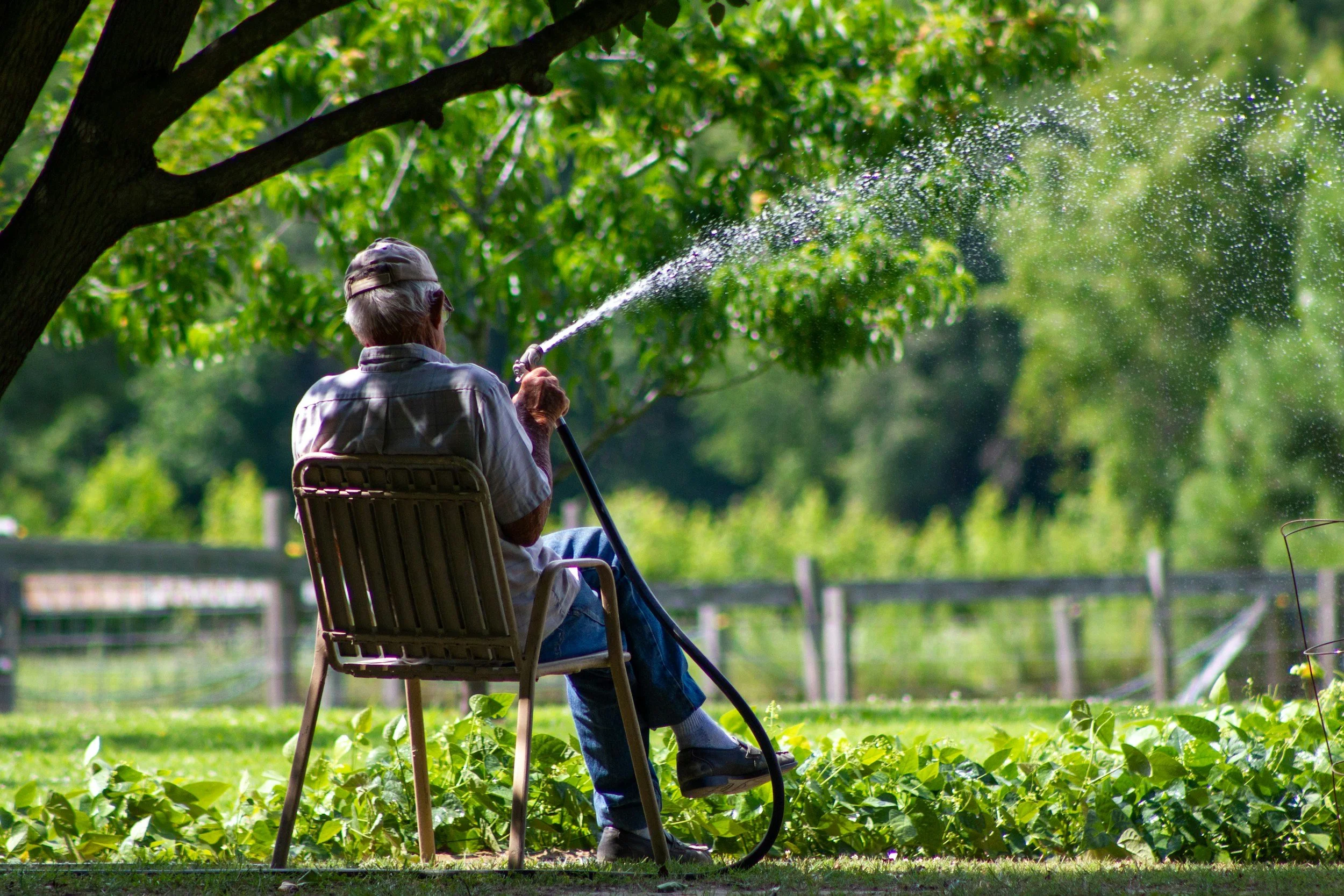
Photo Credit: Unsplash
The most effective gardeners aren't the ones who know the most. They're the ones who notice the most.
Gardeners often ask me, "What is the best way to garden during climate change?" My answer is surprisingly simple: begin by paying attention. Before we change how we garden, we need to understand how our own gardens are responding to changing weather patterns. Every season is teaching us something. We just need to make a note of it.

Photo Credit: Unsplash
Enjoy the moments in your garden and don’t be tentative about making notes about your garden. There is no wrong way to do it. Your own words, your own thoughts. It is a just a reminder to help you see patterns as we work our way through fluctuating weather patterns.
You will be a better gardener for it.