The Flowers You Can’t See Yet: Does the Garden Need More Water This Autumn?
Hello gardeners!
There’s something happening in the garden in autumn that we can’t see.
While many of us are thinking about putting the garden to bed, some trees and woody shrubs are already preparing next year’s flowers. Their flower buds are being initiated and developed now, often in late summer and autumn, on growth produced during the recent growing season. These are the plants we describe as flowering on old wood.
Think of lilacs, forsythia, rhododendrons, azaleas, many viburnums and mock oranges. Many bigleaf hydrangeas also form their flower buds in late summer and early fall. Those buds will overwinter on the plant and, if all goes well, open next spring.
Which raises an interesting question after a dry growing season:
Are our plants adequately prepared for winter?
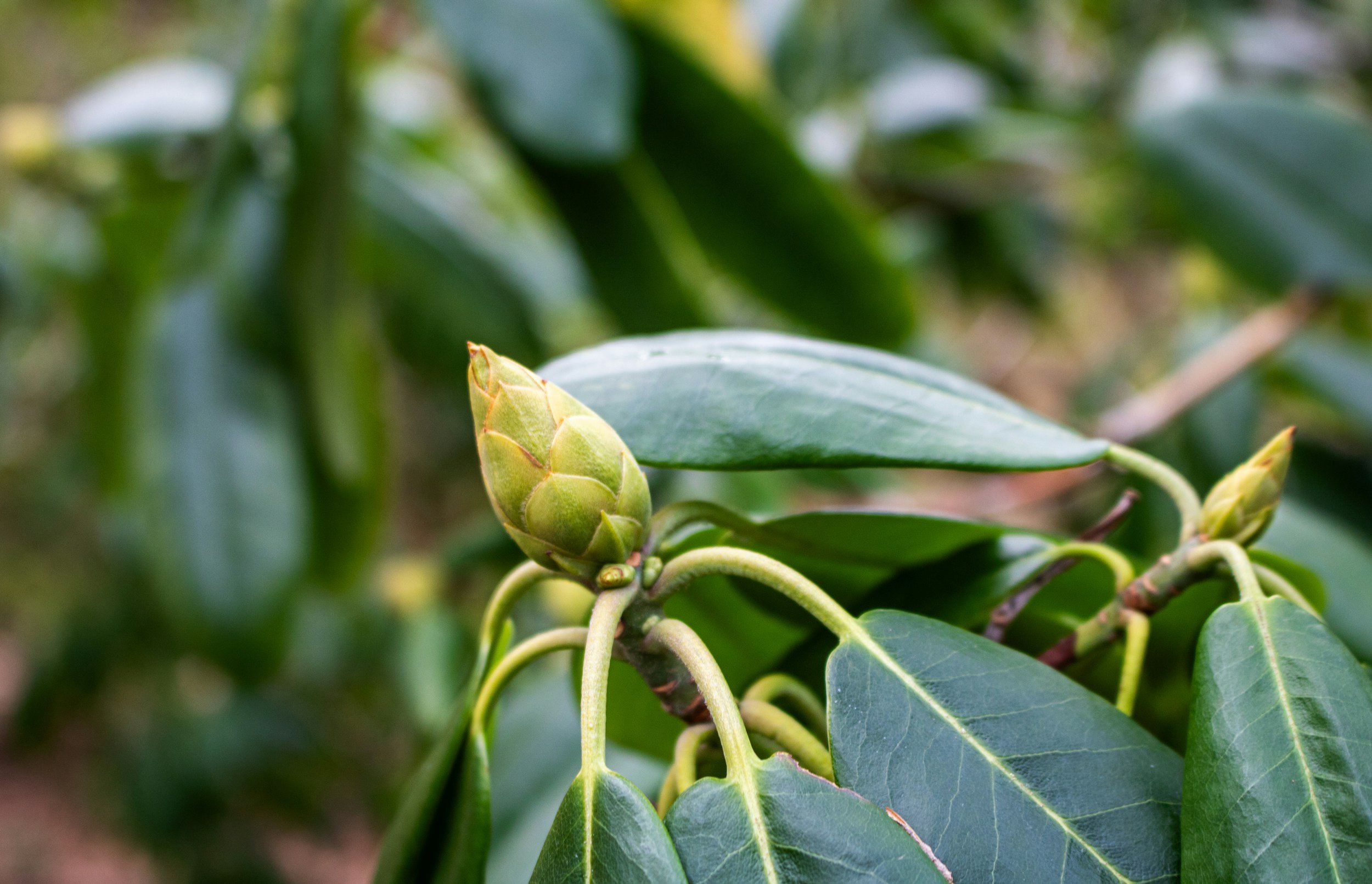
Photo Credit: Unsplash
This is the kind of question I think climate-resilient gardening is going to ask more often.
Not simply, What do I normally do in September? But What is happening in my garden right now?
Reflect on the past year and how your garden is looking right now
Here in southwestern British Columbia, we have come through a dry year. There has been rain recently, but that doesn't necessarily mean the soil is fully replenished.
And this is where observation becomes more useful than the calendar.
We can look at our gardens and ask:
Is the soil actually moist in the root zone? Are plants showing signs of dehydration?
There is another piece of information worth considering this year: El Niño. The Canada.ca site indicates that El Niño primarily affects Canada during winter and spring, and the relationship is strongest in western Canada.
My interpretation of this is that a very strong El Niño could increase the likelihood of a warmer winter, with less snow, creating a potentially drier winter for the southern areas of western Canada. Gardeners may want to pay particular attention to soil moisture going into winter, especially after a dry growing season. Now this is not a weather forecast for a particular garden but it does shift the odds. So let's add this information to what we have already observed. We have had a dry growing season. The soil may still be dry.
And we are heading into a winter in which warmer and potentially drier conditions are more likely.
Is your garden prepared for that?
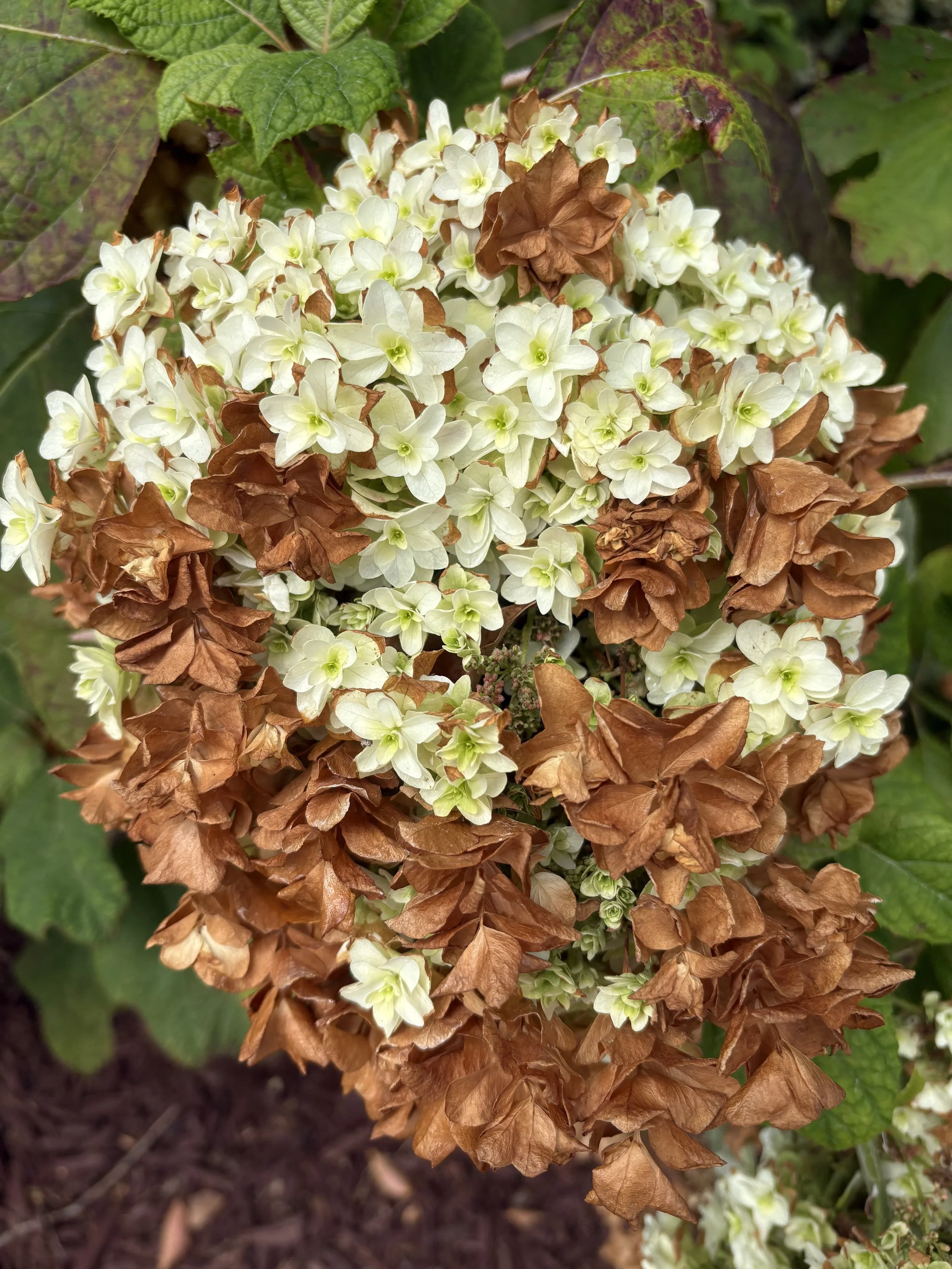
Photo Credit: R. Pak
What about those invisible flower buds?
This brings us back to those flowers we can't see yet.
If a shrub has experienced prolonged drought, and the soil around its roots is still dry, I think it makes sense to consider giving it a thorough drink before winter. Rhododendrons are a good example. Their root systems are relatively shallow, so they can be particularly vulnerable when the upper layers of soil dry out.
But we aren't really “watering the flower buds.” We are restoring moisture to the plant's root zone at an important point in its annual cycle.
Water is essential to photosynthesis, nutrient transport and plant development. A plant that has experienced prolonged drought stress may have fewer resources available for the physiological processes necessary to help it prepare for the following growing season.
It would seem now, for gardeners who want to have resilient gardens, gardens that can handle changing weather conditions and still flourish, autumn is not necessarily the time to stop watering simply because the temperatures are cooler.
The calendar may say autumn. The soil may still be dry.
And this matters beyond flowering shrubs.
With water restrictions, changing precipitation patterns and increasingly variable weather, I'm wondering whether one of the skills gardeners will need to develop is simply becoming better observers of plant stress.
Because plants rarely experience just one stressor. Layer one stress on top of another, and the plant has fewer resources with which to respond. And stressed plants can become more vulnerable to pests, diseases and other environmental pressures.
What should we do?
Not necessarily more.
Better.
This is where I think climate-resilient gardening becomes interesting.
We aren't trying to create a garden that requires constant intervention. Quite the opposite. We want healthy soil, appropriate plants, good root systems, organic matter and a living garden capable of doing much of the work itself.
But resilience doesn't mean never helping. Sometimes resilience means recognizing when a plant has experienced an unusually difficult season and giving it a little support while it recovers. Deep, thorough watering is generally more useful than frequent shallow watering, particularly for established woody plants. The goal is adequate moisture in the root zone. We do not want to swamp the plant nor do we want to initiate a surge of late season growth.
This is perhaps the part of gardening I want to pay more attention to.
Not gardening by calendar.
Not gardening by a rigid list of jobs.
Gardening by observation.
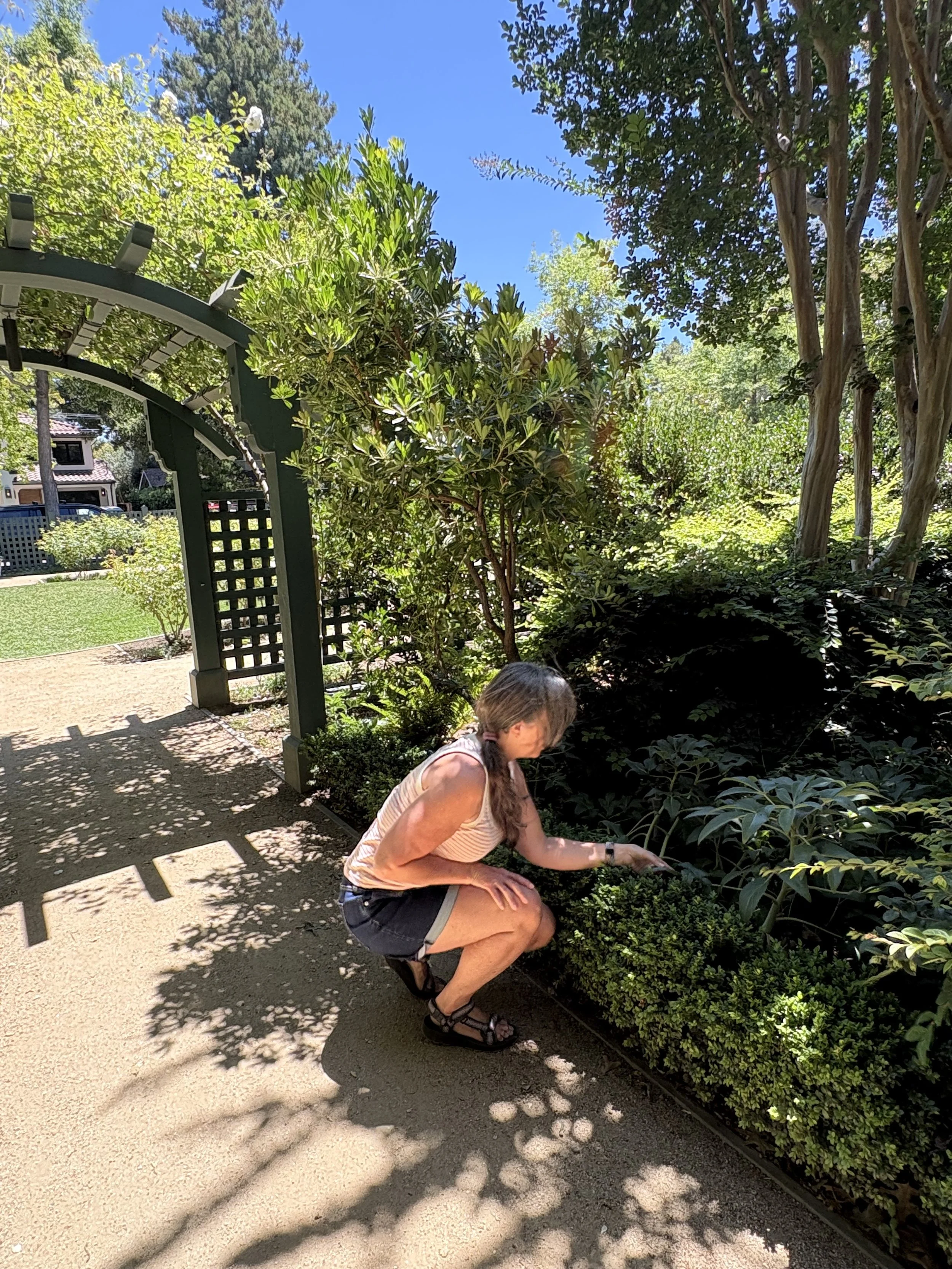
Photo Credit: R. Pak
The garden is constantly giving us information. The trick is learning to notice it.
The flower buds are already there. If we notice what the garden has experienced and understand what the plants may need, we can give them appropriate support. I think this is a step toward transitioning toward a fully climate resilient garden.