Should You Replace Your Lawn? The Real Pros, Cons, and a Smarter Way Forward
Hello gardeners!
Rethinking Lawns in a Climate-Conscious Garden
There’s a growing narrative in gardening circles: lawns are bad, meadows are good. It sounds compelling at first. The reality is, like so many environmental choices, it is more complicated than presented and often, problematic.
If you’re starting from scratch with a new build, skipping a traditional lawn makes sense. But removing an established lawn? That’s where the conversation deserves more nuance.
The Case For Lawns
Lawns are not the ecological villains social media has made them out to be. In fact, they can provide real environmental benefits depending on how they are managed.
Let’s start with what gets overlooked.
Cooling effect
Turfgrass has a measurable cooling impact. Lawns are significantly cooler than hard surfaces like concrete, gravel or artificial turf, helping reduce urban heat. In a warming climate, that matters.
Soil health and carbon
Established lawns often sit on healthy soil and older lawns may be holding decades worth of carbon below the green surface. With moderate management home lawns in fact can become carbon sinks.
Water infiltration
Lawns absorb rainfall far better than compacted or paved surfaces, reducing runoff and supporting groundwater recharge plus keeping heavy rains from burdening stormwater infrastructure.
So no, lawns are not inherently dead zones as often presented in the media.
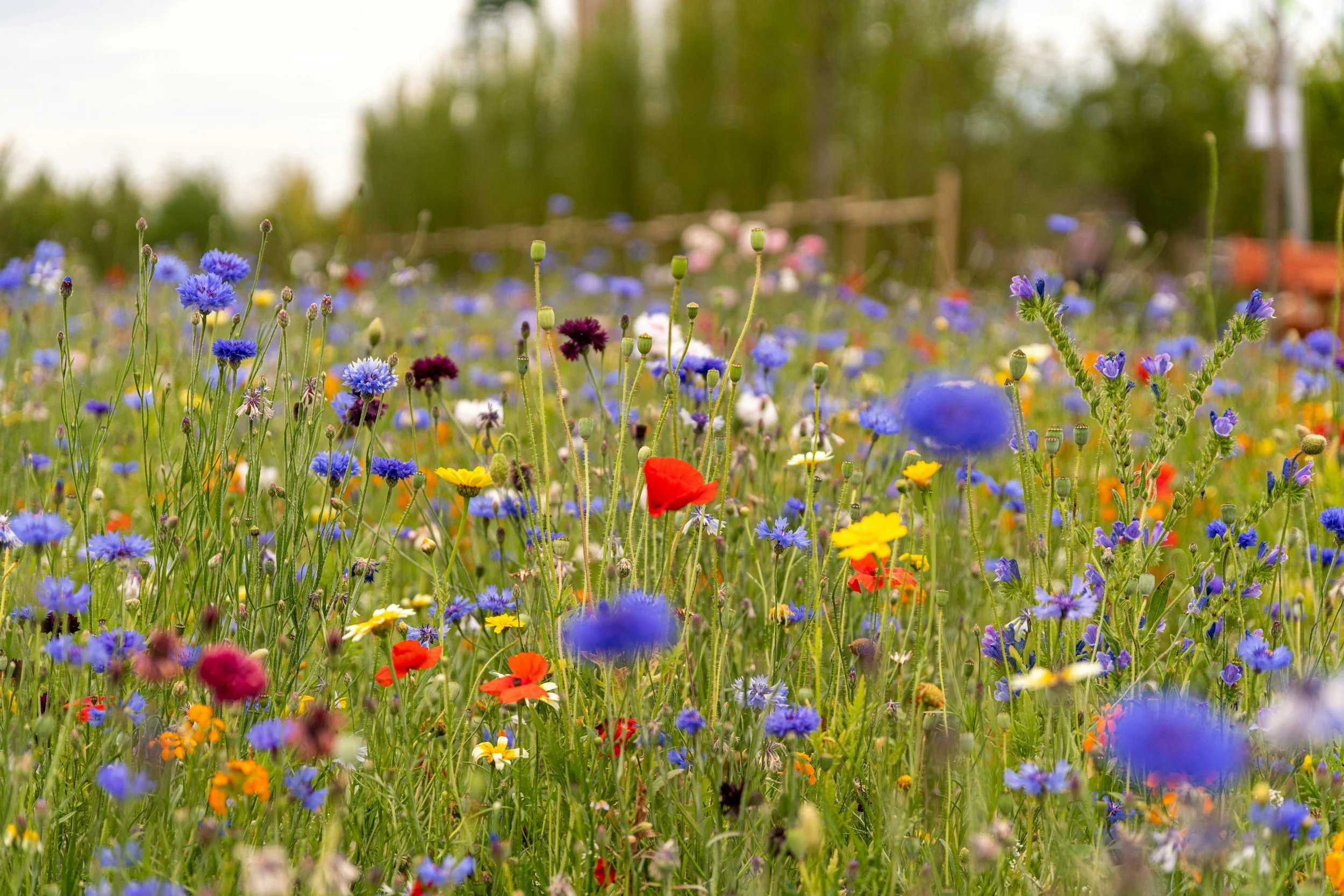
Photo Credit: Unsplash | Stephan Eickschen
The Case Against Lawns
The criticism is valid and necessary.
Chemical dependency
The traditional lawn relies heavily on fertilizers, herbicides, and pesticides. These inputs contribute to water pollution and biodiversity loss.
Monoculture
A pure grass lawn offers limited habitat for pollinators and other wildlife.
Resource intensive
Frequent mowing, watering, and inputs create a larger footprint than most homeowners realize.
Poorly managed lawns also lose much of their carbon benefit.
And then there’s the wildcard: European Chafer Beetle damage. At that point, the conversation shifts from philosophy to survival. But even here, it’s worth asking "What is the environmental cost of the products used to control these pests?”.
Before Removing a Lawn? Consider the Hidden Cost
Removing a lawn is not impact-free.
Carbon release from soil disturbance
Established lawns are not just surface greenery. Beneath the surface, lawns are carbon systems responsible for removing pollutants from the air. Turf grass stores carbon, both in roots and soil. When you dig, till, or strip sod, you expose soil to oxygen. The stored carbon is released as CO₂, undoing years, sometimes decades, of accumulation. Studies have shown lawns, over decades, can accumulate significant amounts of carbon. A critical component in the fight to mitigate climate change.
This is the hidden environmental cost most “remove your lawn” messaging skips over.
The Meadow Movement: Not So Simple
Replacing lawns with meadows is often promoted as the solution. In theory, it seems beautiful. In practice, it is less straightforward.
6 Reasons Why a Meadow Might Not Grow in Your Garden
The weather, soil and existing seed banks can wreak havoc on the best laid meadow plans.
Site and soil mismatch
Most residential soils are too rich and compacted for true meadow ecosystems. These soils favour invasive weeds, not native wildflowers. Urban applications of meadow plantings in large public spaces found that over several years, rampant weed growth threatened to overtake the spaces without significant maintenance and intervention.
Practices like “chop and drop” further enrich soil, which works against meadow conditions.
Unrealistic expectations
Meadows are not a continuous display of blooms. There are long periods of dormancy and a winter aesthetic that many homeowners find underwhelming. Early spring can also be a challenge while plants are growing, there may not be sufficient flowers for pollinators.
Plant Selection and Maintenance
A significant amount of time is required to research and select the appropriate mix of grasses and flowering perennials to get a desirable meadow effect. A mixture of grasses with the various heights and an array of different flowering types (some with many flowers, some with fewer flowers) is required to create a naturalistic planting.
Functionality
Meadows don’t tolerate foot traffic well. That raises a practical question: Where do children play?
Maintenance
Meadows require ongoing management: cutting, reseeding, planting and ongoing weed control. Different work, not less work.
Seed risks
Many wildflower mixes include species that are invasive in certain regions. Without local vetting, you may be introducing a new problem.
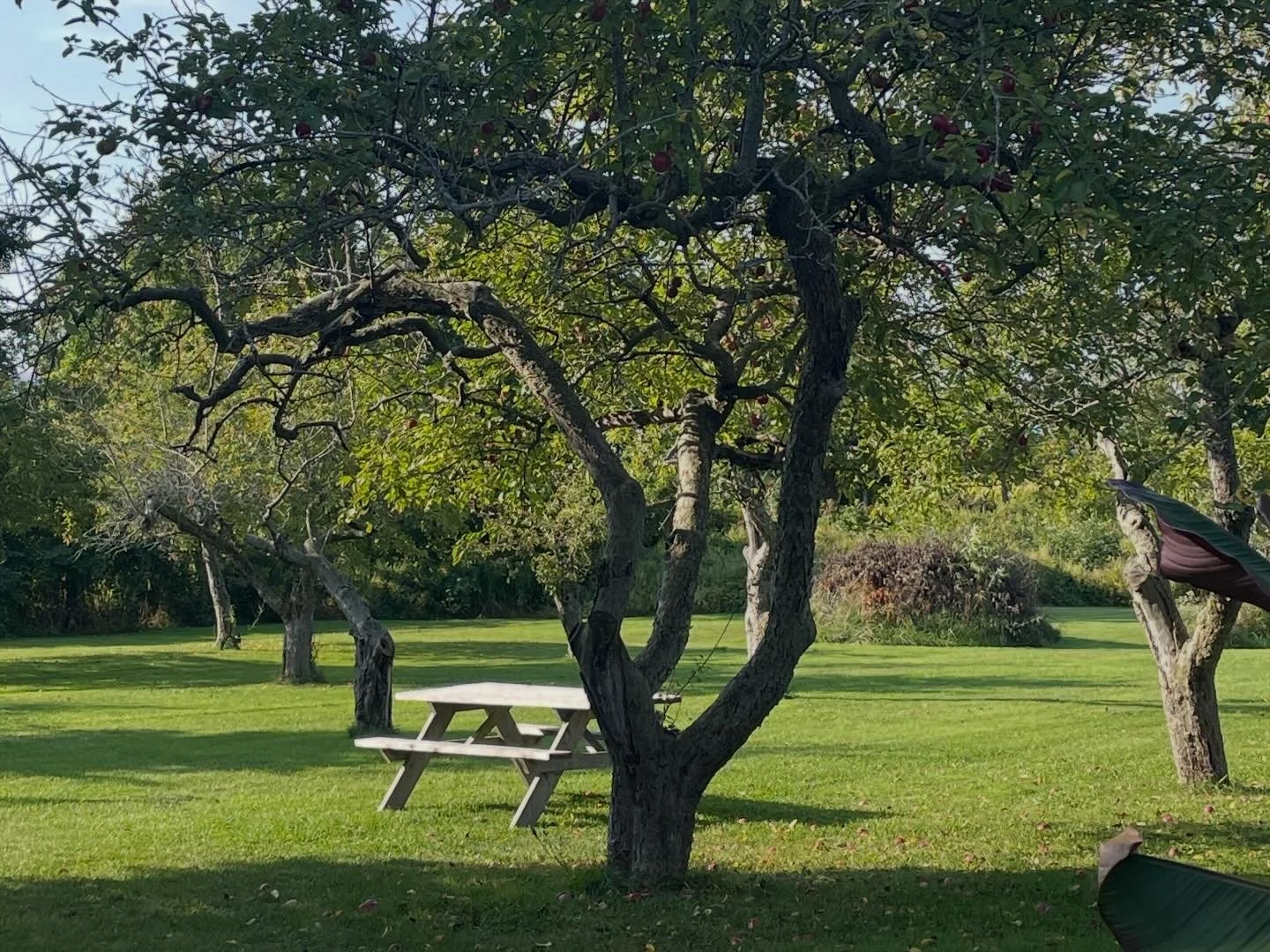
Photo Credit: R. Pak
The Environmental Footprint of Replacing Lawns
What replaces your lawn matters. Hardscape (patios, gravel, artificial turf) comes with high environmental costs: manufacturing emissions, heat retention, and reduced water absorption. Even expanding garden beds carries a footprint through imported soil, compost, and installation disturbance.
Lawns versus Meadows? A More Useful Question
Instead of asking “Should we remove lawns?” a better question is: "How should lawns evolve?" We don’t need 1970s-style lawns that mimic golf courses, but we don’t need to essentially ban them all together. Because the environmental cost of lawn removal is immediate.
5 Tips for an Ecologically Minded Lawn Care
Reduce chemical inputs and focus on soil health
Mow higher and less often, leaving clippings in place
Add diversity with clover or low-growing species like Blue Star Creeper
Water strategically, allowing for seasonal dormancy
Convert gradually, reducing lawn area without disturbing soil
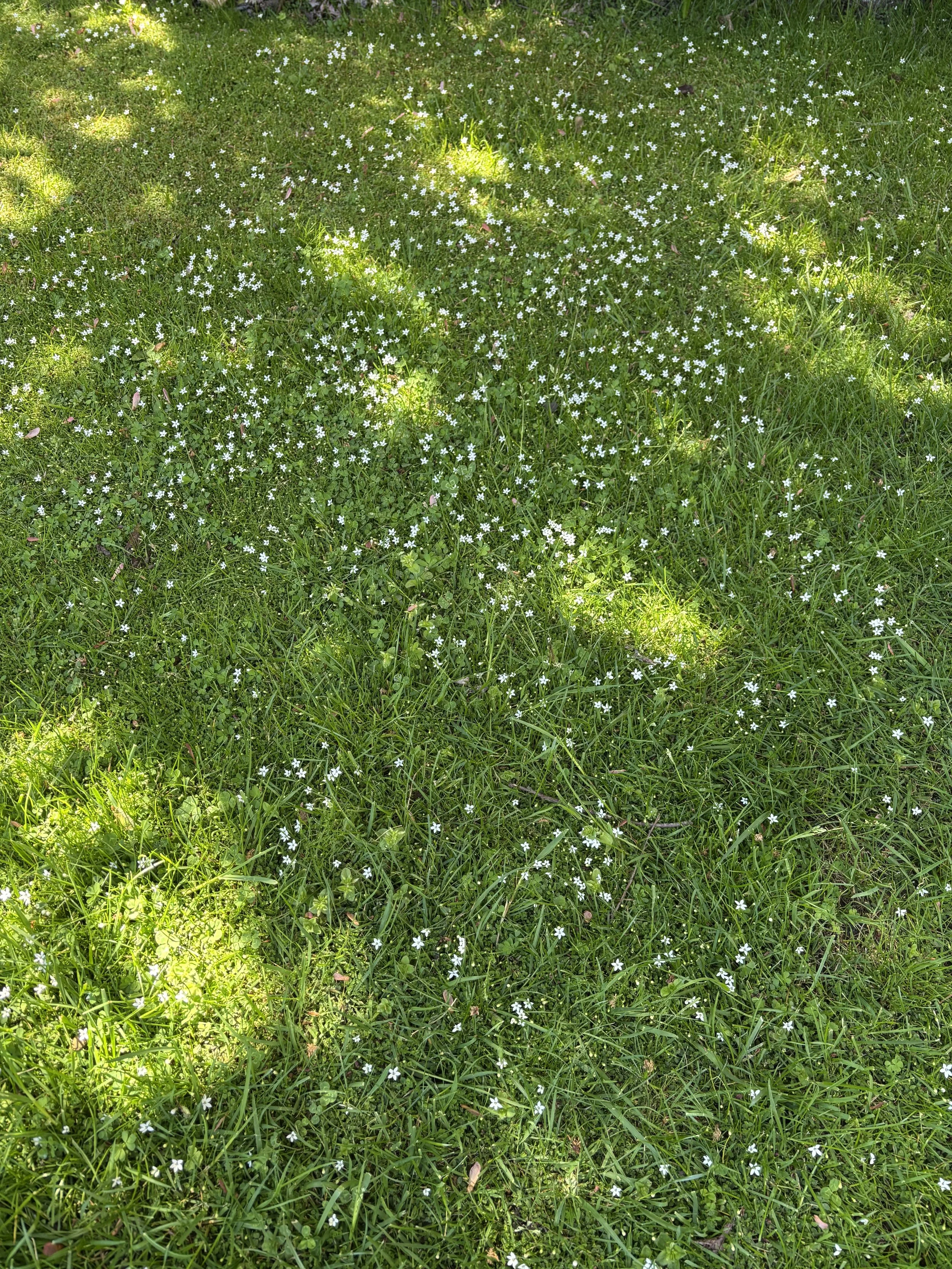
Photo Credit: Christina Larson
Where I Land on Lawns versus Meadows
I’m not convinced that removing established lawns is always the right move. What I am convinced of is this: we need a shift in perspective.
Lawns don’t have to be sterile, chemical-dependent carpets. They can be softer, more diverse, and less controlled. They can coexist with garden beds, trees, and small pollinator areas. I love seeing flowers spreading through the lawn and incorporating "care cues". Leaving some areas of the lawn longer and then mowing edges to show the property is maintained by an ecologically minded gardener.
The reality is that creating a successful meadow is far more complex than scattering a packet of wildflower seeds and waiting for an effortless season of blooms. I think many people who plant meadows are not fully prepared for the maintenance and the resulting aesthetic.
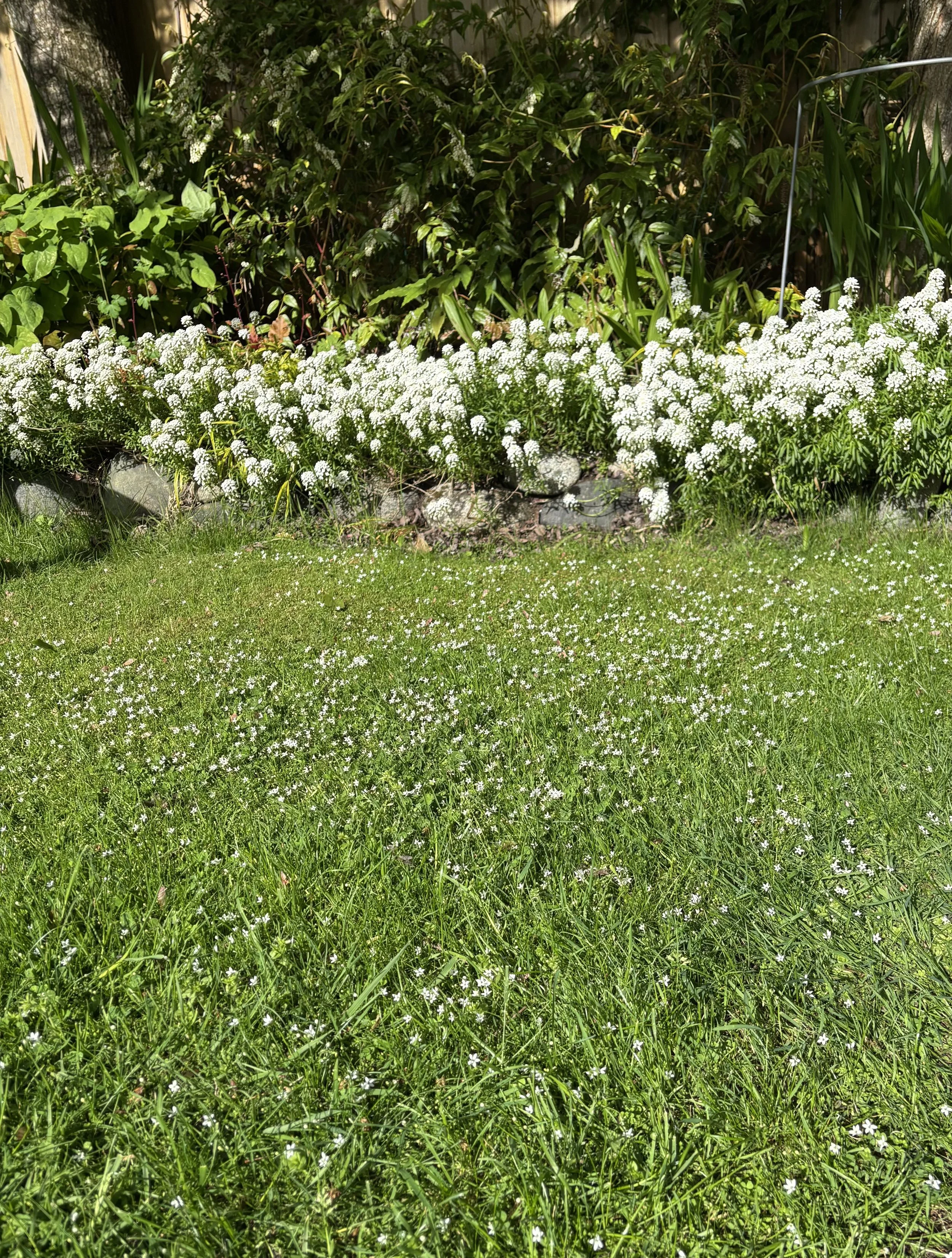
Photo Credit: Christina Larson
The future garden is not lawn or meadow. It’s a thoughtful blend of both, guided by climate, soil, and how we actually live in our spaces. In all honesty I think an inviting garden space has more than one single component. It could be a mix of trees, shrubs, grasses, lawn and naturalistic spaces, depending on what the site offers. If you have a shady property there is no meadow option for this site. It does not mean you cannot become an ecological steward of an important woodland garden. Because at the end of the day if we are not creating flourishing gardens, regardless of the key components, we are not doing our part to help biodiversity, store carbon and create healthy ecosystems.
This debate, lawn bad, meadow good, epitomizes how so many environmental decisions have to be made. With intention and science-based information. Few decisions are simple. Black and white. We have to carefully consider all the variables and decide what aligns with our priorities.
There are no easy answers, but the best place to ponder these big questions is in a garden.
Happy gardening and be well,