Annuals and Tender Perennials: Why We Still Have to Wait Until May Long Weekend
Hello gardeners!
Every spring, garden centres tempt us with lush hanging baskets just in time for Mother's Day. And every spring, experienced gardeners repeat the same advice: not yet. The pressure is on to buy our favourite flowering annuals but then you need to baby them inside for weeks. It can feel maddening. The weather is warm, the sun is shining, and those fantastic blooms are practically begging to come home with you.
So why the caution?
Because annuals and tender perennials are tropical creatures at heart. These plant species are natives from some other area and it is not just the frost they dislike, it is the cold temperatures, regardless of frosty mornings.
Even in the Lower Mainland of Vancouver, where our average last frost often falls in late March or April, cold nights can still arrive well into May. A single overnight dip below 5°C can stress warm-season plants like begonias, coleus, impatiens, and basil. Frost is the obvious villain, but chilling injury is often the real culprit.
What happens on cold nights?
Tender plants evolved in climates where soil and air remain consistently warm. When nighttime temperatures fall below about 10°C, their metabolism slows dramatically.
Roots absorb water less efficiently. Photosynthesis falters. Cell membranes become leaky. Growth stalls.
The result?
Leaves may yellow or darken
Flower buds can abort
Plants often sulk for weeks
Some never fully recover
A chilled plant may survive, but it won't thrive. Plus the effect of these early stressors makes the plant more susceptible to future environmental stressors that may come along over the summer.
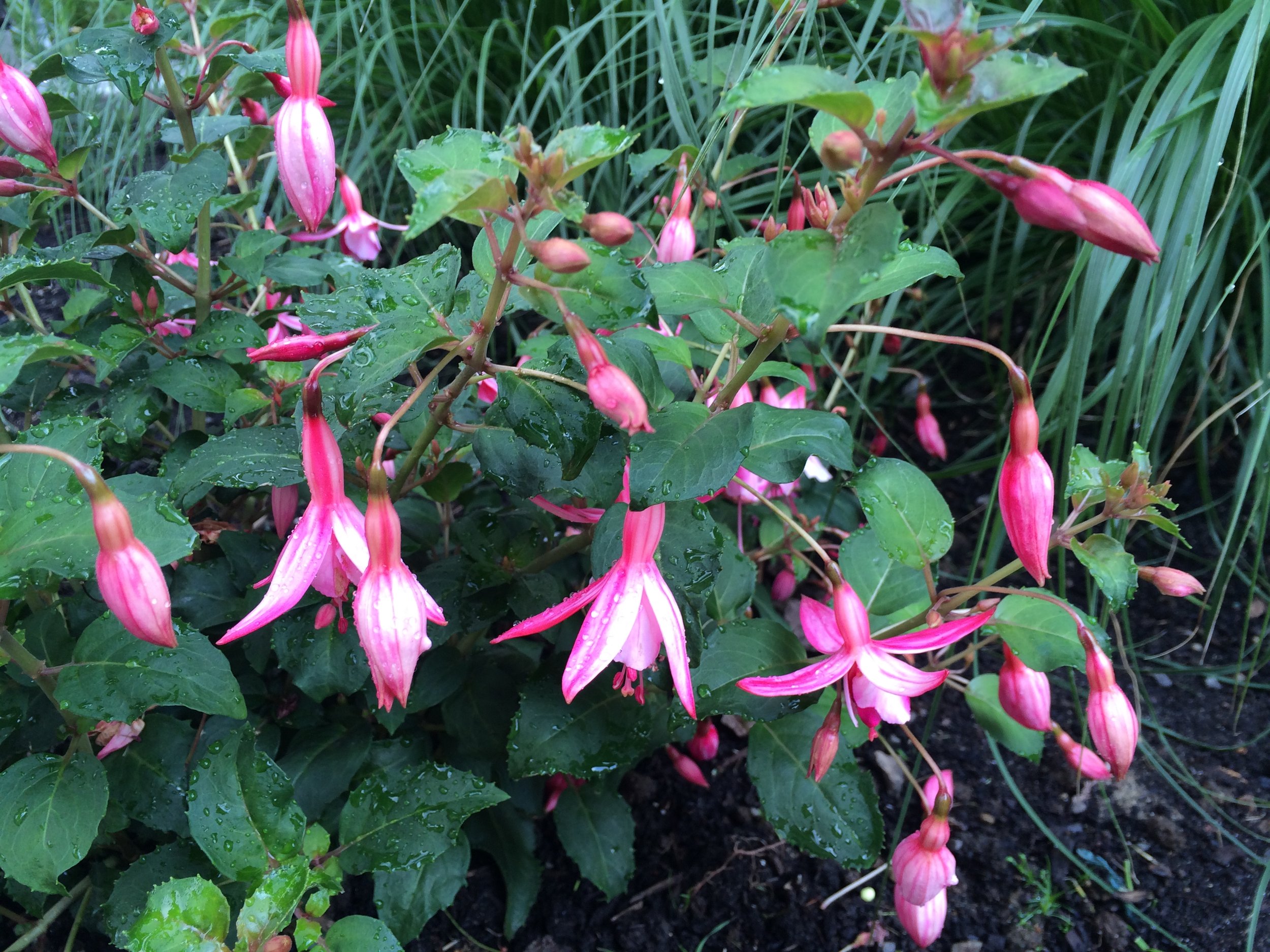
Photo Credit: R. Pak
But isn't climate change shifting these rules?
Warmer average temperatures are shifting frost dates earlier across much of Canada. Climate models project that the last spring frost will continue moving earlier in many regions, extending the growing season.
But here's the catch: increased weather variability means occasional late cold snaps can still catch gardeners off guard. Average dates are useful, but averages don't protect hanging baskets.
What does Environment Canada suggest?
Seasonal forecasts increasingly point toward warmer-than-normal springs across much of Canada, including British Columbia. This could encourage earlier planting, but long-range forecasts are probabilities, not promises. One rogue Arctic outflow can undo a weekend's worth of gardening enthusiasm. Sending you back to the garden centre for replacements.
The smart approach?
Watch the overnight lows, not the calendar.
Once night time temperatures consistently stay above 10°C, most annuals and tender perennials can safely move outdoors.
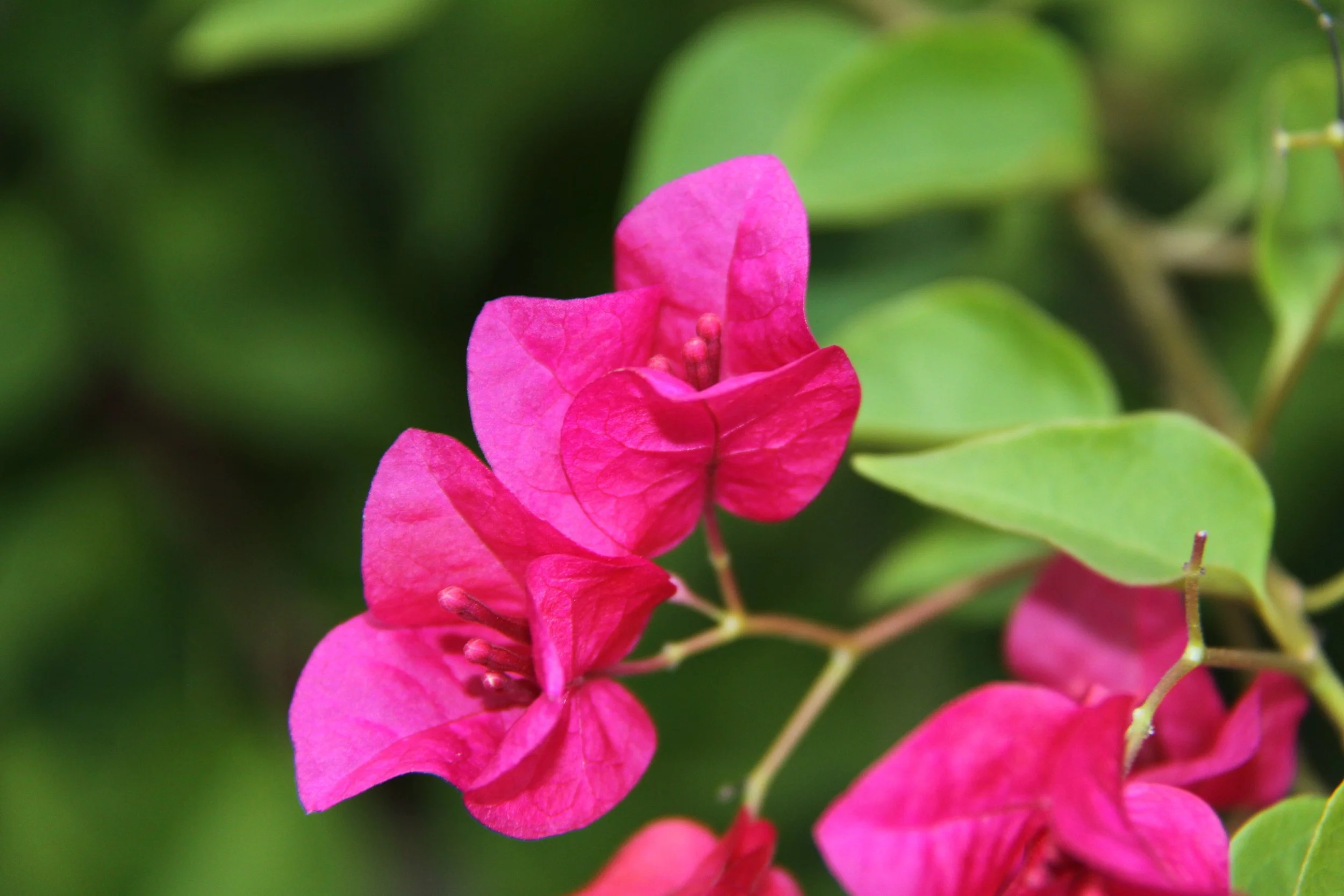
Photo Credit: R. Pak
The Mother's Day Trap
Garden centres sell hanging baskets early because, frankly, we cannot resist them. Bring them home. Enjoy them. Just keep them indoors on chilly nights for another couple of weeks. A little patience now leads to stronger, faster-growing plants all summer long.
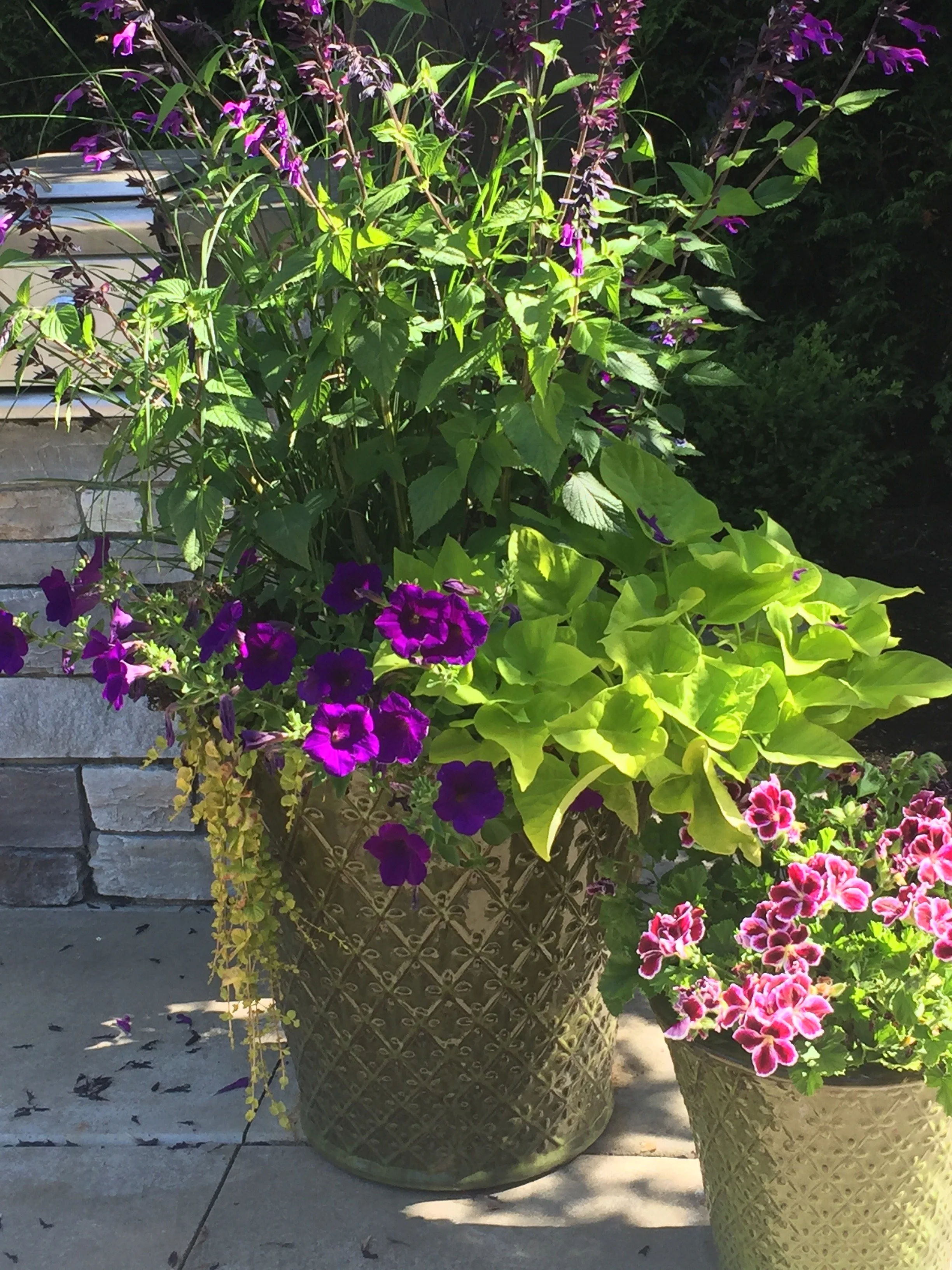
Photo Credit: R. Pak
Even when you think the warmer climate might help us out by being able to plant annuals and tender perennials earlier, we still have to watch out for the erratic dips in temperature. I think most of us have left out a plant or two, because we forgot to bring it indoors, and suffered the consequences.